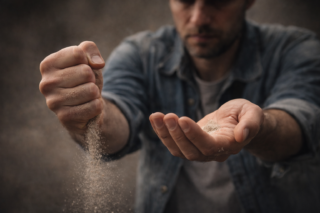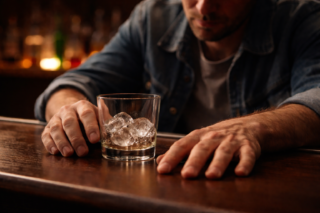
Kim: I still remember the first time we talked. I didn’t want to be there. I was using every day just to function, and part of me was hoping you’d tell me it wasn’t that bad yet.
Tim: You were hoping I’d give you permission to keep surviving the way you were.
Kim: Yeah. Exactly. I’d already lost my job. I was bouncing between couches. I was scared all the time. But fentanyl felt like the only thing keeping me upright. I hated that I needed it, but I couldn’t imagine stopping.
Tim: You were exhausted. And terrified.
Kim: I was. Especially because I never meant for any of this to happen. I broke my body skiing. Morphine in the hospital. Prescriptions afterward. Then suddenly nothing. No taper. No plan. Just pain and panic. The street stuff felt like falling off a cliff, but once I was there, I couldn’t climb back up.
Tim: That’s a story I hear a lot. It doesn’t make it any less serious, but it does make it human.
Kim: I tried the narcotics meetings before I met you. I went a few times. I sat in the back. I never shared. I was so ashamed. I kept thinking someone would recognize me, or my family would find out. I didn’t feel safe being seen.
Tim: You needed privacy, and the meetings felt too exposed.
Kim: Exactly. I kept looking for something else. Something quieter. Something that didn’t ask me to tell my whole story in public. But nothing fit. And then I met you.
Tim: You came in thinking you wanted options.
Kim: And you told me something I didn’t want to hear at all.
Tim: I told you that you were in danger.
Kim: You said inpatient. Immediately. And then clean and sober housing. You said if I didn’t do that, my bottom probably wasn’t done yet. That I could lose everything I had left. Or die.
Tim: I remember how quiet you got.
Kim: I was angry. Part of me thought you didn’t understand me at all. But another part of me knew you were right. I didn’t have any margin left. I was barely surviving.
Tim: You chose life, even though it didn’t feel like a choice at the time.
Kim: There’s something else I never really said out loud back then. I had this picture in my head that drug addicts were all… losers. People who had just given up on life.
Tim: And that picture turned inward.
Kim: Completely. I thought I was a failure. An embarrassment. I was convinced my family would be ashamed of me if they knew. My judgments were brutal. I didn’t leave any room for context or compassion, especially for myself.
Tim: That kind of thinking can trap people for a long time.
Kim: Rehab cracked that open. Slowly. I started hearing other stories, and they sounded like mine. Injury. Fear. Pain. No exit ramp. I realized I wasn’t morally broken. I was sick. And sickness wasn’t a verdict. It was something that could be treated.
Tim: That realization matters.
Kim: It changed everything. For the first time, I could imagine having my own life back. Not the old one exactly. No drugs. But maybe something steadier. Maybe even better than before.
Kim: I went to treatment because I was scared. I stayed because something shifted. The structure helped. Being watched helped. I didn’t trust myself yet.
Tim: That’s what early recovery often needs. External support before internal stability.
Kim: The sober house wasn’t what I imagined, either. The drug tests felt intrusive at first. The rules felt strict. The meetings felt like punishment. But I needed all of it. I needed something outside me to hold the line.
Tim: And now?
Kim: Six months. I still can’t believe I’m saying that. I found a women’s meeting. Smaller. Quieter. I didn’t have to explain myself. I made friends. Real ones. They know my story, and they don’t flinch.
Tim: That matters.
Kim: It does. I still don’t love meetings. I don’t share every time. But I can tolerate them now. And sometimes I even feel grateful.
Tim: You didn’t have to love the container for it to work.
Kim: No. I just had to stay in it long enough for my life to change.
Tim: I’m proud of you, Kim. Truly. What you did was not easy.
Kim: I feel proud too. But I’m also scared to say that out loud. Like if I celebrate too much, I’ll jinx it.
Tim: That instinct is healthy. You’re still in a delicate phase. Early stability can feel solid right up until it isn’t. Vigilance isn’t paranoia. It’s care.
Kim: So I keep doing what I’m doing.
Tim: You keep showing up. You keep your supports close. You don’t negotiate with old fantasies. And you don’t confuse progress with immunity.
Kim: That actually helps. It makes this feel real, not fragile.
Tim: Recovery doesn’t need to be dramatic. It needs to be sustained.
Kim: For the first time in a long time, that feels possible.
Tim: Then let’s keep protecting it.